
On a GLP-1 Long-Term? Here’s How to Avoid Nutrient Deficiency & Protect Your Gut.
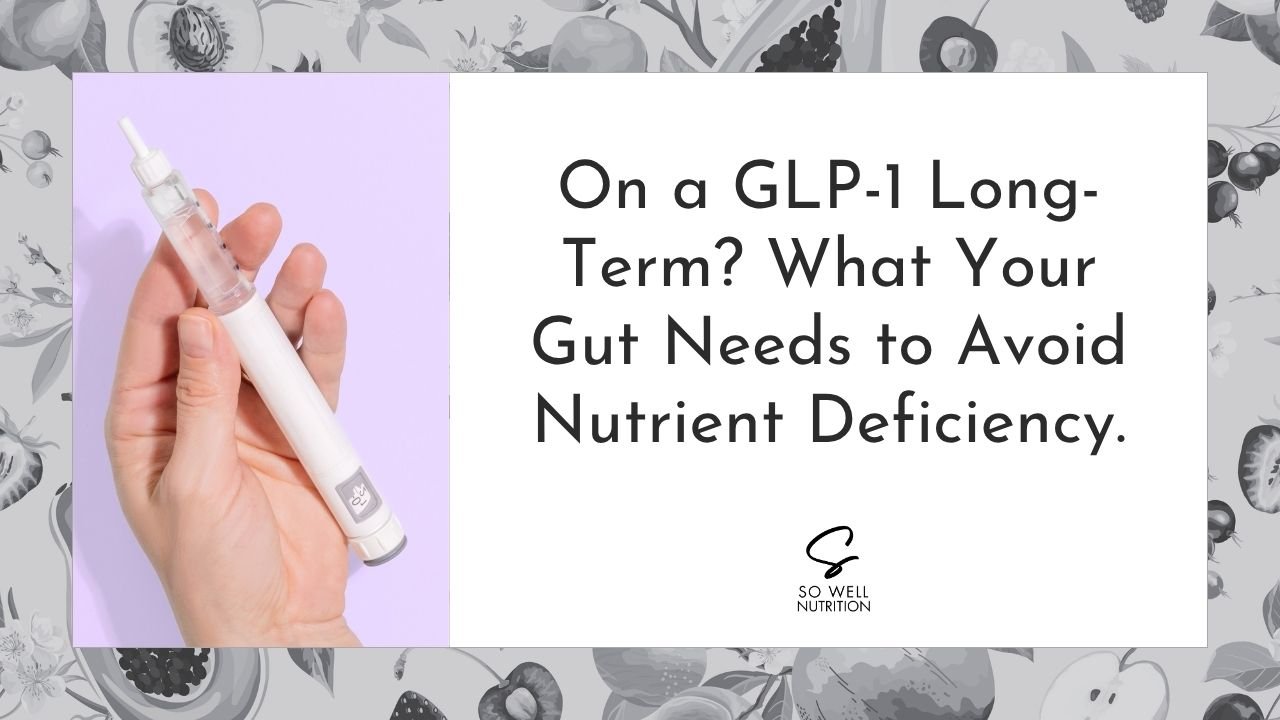
If you’ve been on a GLP-1 for more than a few months or are taking a high dose, you’re probably very aware of how much your diet has changed, and you might be wondering if you’re getting the nutrition your body needs.
Research suggests that GLP-1 use of around 6 months or more is associated with a greater risk of nutrient deficiencies and gallbladder problems.
Over time, unchecked nutrient deficiencies can leave you feeling pretty sub-par and lead to problems such as anaemia, nerve issues and weakened immunity. Many people taking GLP-1s don’t experience significant issues, but it’s worth knowing how to avoid nutrient deficiency and protect your gut health to give your body the support it needs.
Nutrient deficiency on GLP-1s: what to know
Are you noticing more hair loss or breakage than normal? Does your ponytail look thinner? While diet isn’t the only possible culprit, poor hair quality can be a sign that your body is low in essential nutrients.
One of the main reasons for nutrient deficiency in GLP-1 use is simply that you’re eating less food. Some other side effects linked with GLP-1 use can also contribute, such as diarrhoea and vomiting, which are most common early on and after dose increases. GLP-1s may also reduce stomach acid and digestive enzyme production, which can limit the body’s ability to absorb nutrients from the food coming in.
Nutrients Most Commonly Impacted
The nutrients that tend to be low in GLP-1 use are:
Protein
Iron
Vitamin D
Calcium
Magnesium
Zinc
Vitamin B12
Thiamine (rare but serious, mainly linked to prolonged vomiting or very low food intake)
However, most of the evidence is observational and some people start out low in these nutrients before treatment.
Low levels of these nutrients can contribute to fatigue, hair and nail changes, cold hands and feet, muscle cramps, frequent infections and slow healing. If you experience any nerve symptoms such as recurring pins and needles or tingling, mention it to your doctor promptly.
Keep an Eye on B12
GLP-1s may reduce the amount of stomach acid you produce. Stomach acid helps release vitamin B12 from food, so this, combined with eating less food overall, can increase the risk of low B12.
Low B12 can contribute to mood changes, low energy and various nerve-related symptoms, such as the tingling sensations mentioned earlier.
Other common risk factors for low B12 include long-term use of acid suppression medication (e.g. proton pump inhibitors), metformin, older age and plant-based diets without fortified foods or supplementation. Combining a GLP-1 with any of these may increase the risk of low B12. If you suspect this might be an issue for you, it’s worth asking your doctor or prescriber about testing, or speaking with a registered nutritional therapist.
Make Your Meals Count
Make it stand out
GLP-1s turn down your appetite and help you feel full sooner, so it’s understandable if you’re eating less. But less food almost always means fewer nutrients.
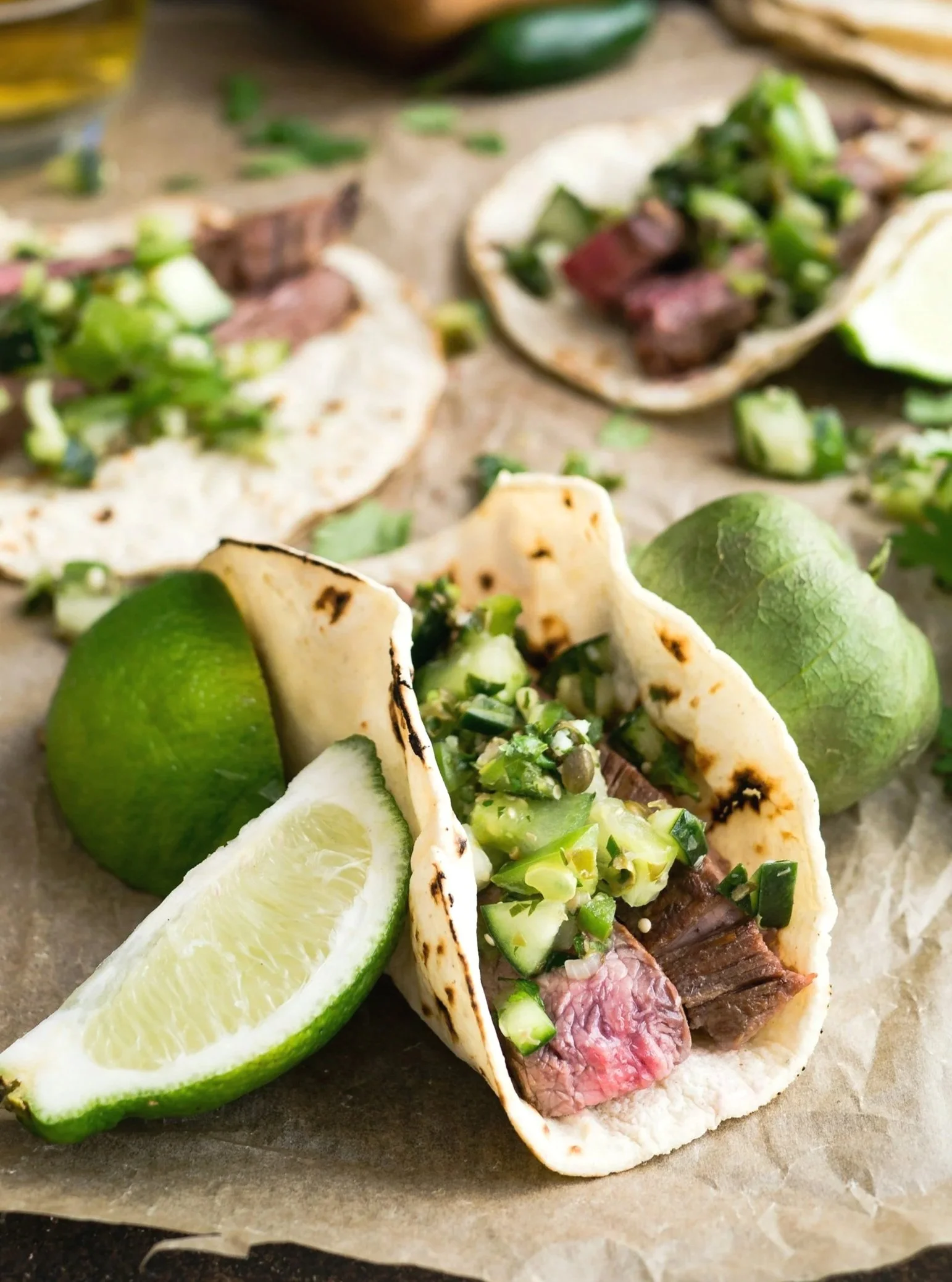
When you’re eating less overall, the food you choose matters more. Instead of asking my clients to eat larger meals, I help them make their meals count with strategies like these:
Prioritise nutrient-dense foods: Reach for minimally processed whole foods, such as oily fish, eggs, lean meat, dark green and brightly coloured vegetables, legumes, nuts and seeds.
Eat your protein and veg first: Healthy fats and carbohydrates are important too, but eat them after your protein and vegetables. This helps ensure that you get some good nutrients into your body before you start feeling too full.
Eat small, regular meals: Don’t wait to feel hungry. Your body still needs energy and nutrients, and eating smaller portions at regular times can help minimise sharp blood sugar changes.
Be prepared for low-appetite days: Keep a few simple options on hand that provide nutrients without feeling heavy, such as soups, smoothies, chicken lettuce wraps or a light tofu and mixed veggie stir-fry.
Limit low-nutrient foods: Ultra-processed snacks, pastries and sugary drinks offer few nutrients and can fill you up, leaving less room for nutrient-dense foods.
Testing: What to Ask Your Doctor
There’s no standard requirement for assessing nutrient levels in GLP-1 use, so your doctor may not suggest testing. I recommend that anyone taking a GLP-1 has their vitamin B12, vitamin D and iron (full iron panel) tested, with further tests if diet, lifestyle or symptoms suggest they’re needed.
Don’t hesitate to ask your doctor about testing, and if you get your GLP-1 from an online pharmacy, make sure they know you’re taking it. A registered nutritional therapist can also advocate for you, write to your doctor requesting appropriate tests, or arrange private testing.
Should You Take Supplements on a GLP-1?
Using supplements to improve nutrient levels might seem like an obvious choice, and supplementation can be a great idea for many people taking GLP-1 medications.
But existing nutrient levels should be tested before supplementing, especially for iron, zinc, calcium and high-dose vitamin D. This is because some nutrients can be harmful at high doses. They may build up in the body, compete with other nutrients for absorption, or interact with prescription medications.
Before starting a new supplement, check it against your other medications with your pharmacist or prescriber. A registered nutritional therapist can also help you determine which supplements, if any, are best for your particular needs, so that your body gets targeted support at appropriate levels.
Don’t overlook your gallbladder on a GLP-1
Current research suggests that most people on a GLP-1 don’t develop gallbladder problems, but the risk does increase with higher doses and longer use, and appears to be higher when GLP-1s are taken for weight loss.
Rapid weight loss and slowed gallbladder emptying increase the chances of developing gallbladder issues, whether or not someone is taking a GLP-1. Since GLP-1s can lead to rapid weight loss and may slow gallbladder emptying, it makes sense to support your gallbladder.
Only you and your prescriber should make decisions about your medication, but if you’re losing weight quickly or your dose is about to increase, it’s worth asking your prescriber whether your gallbladder risk has been considered.
Don’t Avoid the Good Fats
When it’s working as it should, the gallbladder releases bile into your small intestine to help you digest fats in the food you eat. GLP-1s slow down stomach emptying, and fat slows it further, which is why rich or fatty meals can leave you feeling heavy and uncomfortable.
Make it stand out
You might be tempted to reduce your fat intake to get around the problem. But fat in a meal is one of the signals that prompts your gallbladder to empty, and research on rapid weight-loss diets suggests that very low-fat eating increase the risk of gallstones.
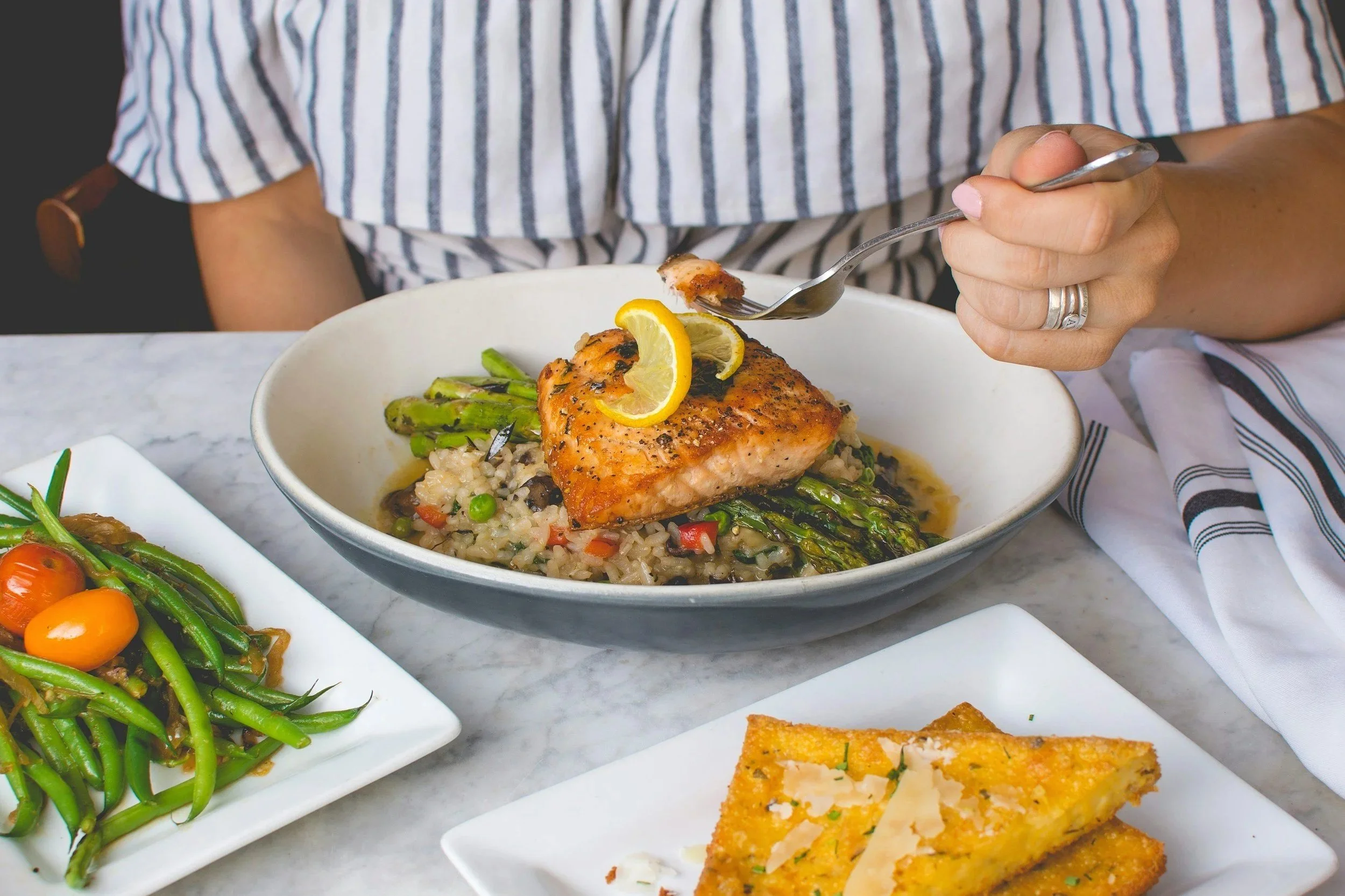
So the key is to include a moderate amount of healthy fats with each meal, not avoid them. Prioritise dietary fats from sources like oily fish, walnuts, avocados, olives, flaxseeds, tahini and olive oil.
If you experience nausea when eating fats, or have recurrent pale or fatty stools, speak with your doctor, as these can be signs that fats aren’t being digested properly. If you also notice yellowing of your skin or eyes, see ‘Symptoms to Watch For’ below.
Symptoms to Watch For
Most people on GLP-1s won’t develop a serious problem, but it’s worth knowing which symptoms need medical attention.
Get urgent medical help if you have:
Severe, persistent pain in your upper abdomen or under your right ribs, especially if it radiates to your back or shoulder
Abdominal pain with chills or a fever
Yellowing of your skin or the whites of your eyes
Get medical advice the same day if you have:
Persistent vomiting or inability to keep fluids down
Black, tarry or sticky stools, or blood in your stool (iron supplements can make stool darker, but if you’re not sure, get it checked)
For a full list of possible side effects, check the information leaflet that comes with your medication. If you’re worried about any other symptoms, speak to your prescriber or doctor.
GLP-1s and your gut microbiome
What We Know So Far (and What We Don’t)
The truth is that we don’t yet know enough about how GLP-1s impact gut health or the gut microbiome. Research is still limited, but early studies have had mixed results: some found more beneficial bacteria and fewer inflammatory ones, while others found the microbiome became less diverse and less balanced.
Everyone’s gut microbiome is different to start with, and the effects may also depend on dose, how long someone has been taking a GLP-1, their diet, lifestyle, stress levels, environment and other medications.
The important thing to remember is that eating less food and a smaller range of foods can shift the balance of your gut bacteria to be less beneficial.
So the essential gut health advice still applies.
Celebrate Diversity: Eat a Wider Range of Plant Foods

Make it stand out
Research studies show that eating a wide variety of plant foods is linked to a more diverse gut microbiome. That’s because different compounds, particularly different fibres, feed different bacterial species and help them establish in your gut.
A more diverse gut microbiome is linked to lower inflammation, better immune function, improved metabolism and mood, and other health benefits.
Even if you don’t have the appetite to increase the quantity of food you eat, focus on increasing the diversity of foods on your plate. It’s one of the simplest things you can do for your gut health.
Here are some easy ways to increase diversity when your portions are small:
It starts in the supermarket aisle: It’s easy to buy the same things on repeat, but if you aren’t buying diversity, you won’t be eating it either. Spend an extra 5 minutes in the fresh produce section, and pick one or two new items to try each week.
Lean on meals that rely on variety: Salads, stir-fries, omelettes, frittatas, soups, stews, curries, roasting pan meals. Throw in an extra vegetable, or swap out one of the veggies for something new. Works with smoothies too!
Rotate your proteins: Chicken, salmon and tofu do a lot of heavy lifting in the kitchen, but varying your protein sources widens the range of nutrients you get, and plant proteins such as lentils, beans and tempeh add fibre too.
Make breakfast count: Add an extra piece of fruit, mixed berries or a teaspoon of mixed seeds to oats, yoghurt or smoothies. For savoury breakfasts, add an extra vegetable or a spoonful of yesterday’s leftovers.
Incorporate Fermented Foods
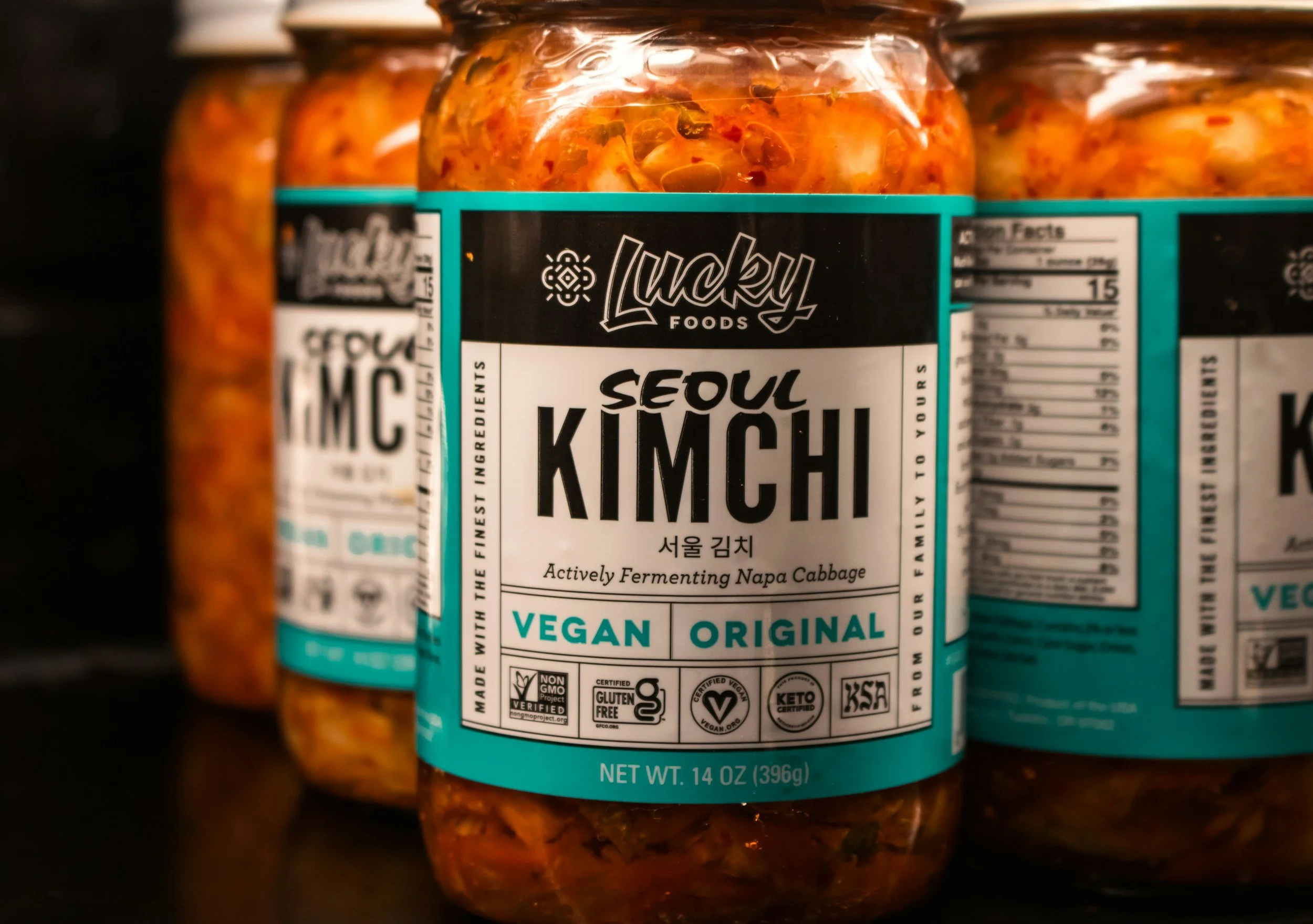
Fermented foods contain live microorganisms that can support your gut health when included regularly in your diet.
Make it stand out
If you aren’t used to eating fermented foods, introduce them gradually and in small amounts, as they can cause bloating, gas and bowel changes.
Fermented foods that are easy to find in most supermarkets:
Sauerkraut: start with 1 to 2 forkfuls
Kimchi: start with 1 to 2 forkfuls
Kefir (unflavoured, unsweetened): start with 1 to 2 tbsp
Yoghurt (look for ‘Contains live cultures’ on the label): start with 2 to 4 tbsp
Choose chilled products labelled ‘live’ or ‘unpasteurised’. Shelf-stable jars are typically pasteurised, which kills the beneficial bacteria.
Feed Your Good Bacteria
The good bacteria in your gut feast on prebiotics, a type of fibre found in many plant foods. Here again, diversity is key to supporting a wide variety of good gut bugs.
Excellent sources of prebiotic fibres include:
Fruit: kiwifruit, slightly unripe bananas, apples with the skin on
Grains: oats, barley
Vegetables: garlic, onion, leeks, artichoke, asparagus
Legumes: lentils
If you’re new to these foods, add them gradually and spread them across the day. Start with gentler options such as oats, kiwifruit and slightly unripe bananas before adding onion, garlic, leeks and lentils, and scale back if you feel bloated.
What to Do When Bloating Persists
In early GLP-1 use, bloating is fairly common, but it usually eases with time. Persistent bloating can have several causes, including constipation and small intestinal bacterial overgrowth (SIBO), both of which have been linked to GLP-1 use.
If your bloating doesn’t settle, or comes with pain, vomiting or blood in your stool, check the ‘Symptoms to Watch For’ above and speak with your doctor.
Keeping a simple food and symptom diary for a week or two can help you and your doctor or registered nutritional therapist spot any patterns.
Your next steps for gut health with long-term GLP-1 use
I know there’s a lot of information, and it might feel overwhelming. But you don’t need to do everything at once. Just pick one or two steps that seem achievable, and start there.
Here are the main ways to protect your nutrient levels and gut health on a GLP-1:
Make smaller meals count
Ask about testing before supplementing
Keep healthy fats in your diet and know the gallbladder warning signs
Increase plant variety and introduce small amounts of fermented foods gradually
What one or two small actions can you take this week?
Here are a few ideas:
Add one new vegetable to your meals this week
Add a serving of healthy fat to each meal
Set a regular schedule for your meals this week and note how you feel
Ask your doctor about testing
Buy a fermented food and try a small amount on two different days this week
Reread the ‘Symptoms to Watch For’ list so you know which signs need medical help
Staying on a GLP-1 long term doesn’t have to mean depleting your body of nutrients or neglecting your gut. With the right support, you can look after both.
If you’d like to learn how nutritional therapy can help address your own health concerns and goals, let’s talk.
The information in this post is for general education and isn’t a substitute for personalised medical advice. Nutritional therapists don’t diagnose or treat medical conditions, or prescribe or deprescribe medication. When clients are managing an existing diagnosis, we often work alongside their GP, nurse practitioner or wider healthcare team.
References:
https://jamanetwork.com/journals/jamainternalmedicine/fullarticle/2790392
https://www.nhs.uk/conditions/gallstones/
https://pubmed.ncbi.nlm.nih.gov/24321208/
https://pubmed.ncbi.nlm.nih.gov/41549912/
https://www.ncbi.nlm.nih.gov/pmc/articles/PMC12029897/
https://www.mdpi.com/2075-4418/15/17/2264
https://www.nhs.uk/conditions/acute-pancreatitis/symptoms/
https://link.springer.com/doi/10.1007/BF01316798
https://obesity.org/nutritional-priorities-to-support-glp-1-therapy-for-obesity
Next on your reading list: