
Are GLP-1s Slowing Down Your Digestion? Here’s What Your Gut Needs.

If you’ve recently started taking a GLP-1 (or recently increased your dose) and are dealing with persistent digestive issues, please know that this is normal. Actually, it’s more than normal, it’s expected.
40-70% of people on GLP-1 medications experience new gut symptoms such as constipation, nausea, bloating, uncomfortable fullness or diarrhoea. Although gut symptoms are often described as “side effects”, it’s more accurate to say that they ARE the effects. Your digestion slows down when you take a GLP-1 because the drug is specifically designed to act on the gut and reduce the rate at which food moves through your body.
What’s actually happening?
I’ll keep the science light, but understanding how GLP-1 medications work can help explain why gut symptoms are normal.
GLP-1s act throughout the digestive system to promote weight loss:
They slow down the rate at which your stomach empties, which contributes to bloating, increased fullness after eating, decreased appetite, nausea, “sulfur burps” and reflux.
They reduce muscular contractions in your intestines, which slows the movement of stool and leads to constipation. And when stool stays in the intestines for too long, your body reabsorbs water from that stool, which hardens it and makes constipation worse.
They also affect processes in your pancreas and gallbladder, impacting how nutrients in your food are digested and absorbed, and contributing to bowel changes, nausea, bloating and fullness.
GLP-1s also impact the brain in various ways that promote weight loss. This includes stimulation of the ‘vomit centre’ in your brain, which can cause those feelings of nausea.
Common digestive symptoms in the early weeks

The most common digestive symptoms that people on GLP-1 receptor agonists (like Wegovy, Mounjaro, Ozempic, Zepbound, etc.) experience include:
Constipation
Bloating and uncomfortable fullness
Nausea and vomiting
Diarrhoea
Reflux
Appetite suppression
People often find that their digestive symptoms are worse when they first start taking a GLP-1 and with each dose increase, and then symptoms lessen with time. That’s because the body gradually adjusts to how the drug affects the digestive system and the brain.
However, it’s important to note that there can be a lot of variability between individuals, as well as between symptoms.
For example, nausea typically peaks in the first 2-4 weeks and improves after 1-3 months. But constipation can persist throughout the course of treatment, because slowed gut motility is a mechanism of the drug.
Easy ways to support your gut
Many digestive symptoms caused by GLP-1 use can be managed with dietary and lifestyle adjustments while your body adjusts to the medication.
Below are a few approaches that can help but, as always, advice found online is general and may not work for your needs. You may benefit more by working with a nutritional therapist or other nutrition practitioner to support your specific symptom presentation, medical history, concerns and lifestyle.
Constipation & bloating
Fibre: Increase your daily fibre intake, prioritising fibre from a variety of whole food sources. The key is to increase gradually and drink plenty of fluids, otherwise constipation and bloating may worsen. Excellent sources of fibre include oats, quinoa, lentils, flaxseeds, raspberries, kiwifruit, avocadoes, carrots and sweet potatoes.
Hydration: Aim for 8 large glasses of water daily, or 1.5-2L. Water is essential for the movement of stool through your digestive system, especially when you’re increasing your fibre intake. Infuse your water with berries or mint and lemon for taste, or alternate with herbal teas which also count towards your daily hydration needs.
Walking after meals: Add in 15-20 minutes of walking at reasonable speed after each main meal. This helps food move through your digestive system, reducing bloating, fullness and constipation. If you can’t get outside, a walking treadmill or going up and down the stairs are both great options.
Probiotic foods: Incorporate a small portion of probiotic foods 1x daily, with a meal. This looks like 1 forkful of kimchi or sauerkraut, 1 tbsp of kefir, 1/2 cup of live cultured yoghurt or 1/2 cup of tempeh. You only need a small amount, as overdoing it can exacerbate gut symptoms. If possible, vary the types of probiotic foods you eat during the week to support different types of gut bacteria.
Probiotic supplementation: Some probiotic strains are shown to improve constipation, but research hasn’t been done specifically in GLP-1 users. For some people already experiencing gut issues, probiotics can actually worsen constipation and bloating. Please consult with a nutritional therapist or other health professional who can give you a personalised recommendation.
Other supplements: A variety of natural supplements are effective at reducing constipation and bloating. However, without an understanding of your personal medical history, existing medications or current dietary intake, it would be unwise to list them here. Please consult with a nutritional therapist of other health professional for personalised recommendations.
Unlike other symptoms, constipation may persist throughout your GLP-1 treatment and require proactive, ongoing support. This is because slowed gut motility is a mechanism of the drug.
Fullness & nausea
Smaller meals: If you experience persistent fullness and nausea after meals, reduce the amount of food you eat at each meal. If this helps, try eating four smaller meals each day – while appetite suppression is a very real effect of GLP-1s, it’s important that you’re getting enough energy and nutrients to support critical processes in your body.
Walking after meals (for fullness only): Go for a 15-20-minute walk after each meal, at a reasonable speed. This aids the movement of food through your digestive system, and reduces bloating, fullness and constipation. Walking treadmills or going up and down the stairs are good indoor alternatives.
Digestive enzymes (for fullness only): These support digestion and can help reduce the heavy fullness after meals. Please work with a nutritional therapist of other health professional who can give you personalised recommendations.
Ginger: Taken as a fresh ginger root infusion (simple recipe below), tea or ginger chews, ginger helps reduce nausea and feelings of fullness. High-dose ginger supplements may also be helpful, but these can interact with medications so should not be taken before speaking with a nutritional therapist and/or your prescribing doctor.
Regular intake of healthy fats: To minimise negative impact of GLP-1 medication on gallbladder function, it’s important to include a reasonable amount of healthy fats in your diet. Use extra-virgin olive oil, and incorporate fatty fish (e.g. salmon, sardines, mackerel, trout), avocados, walnut and chia seeds into your diet.
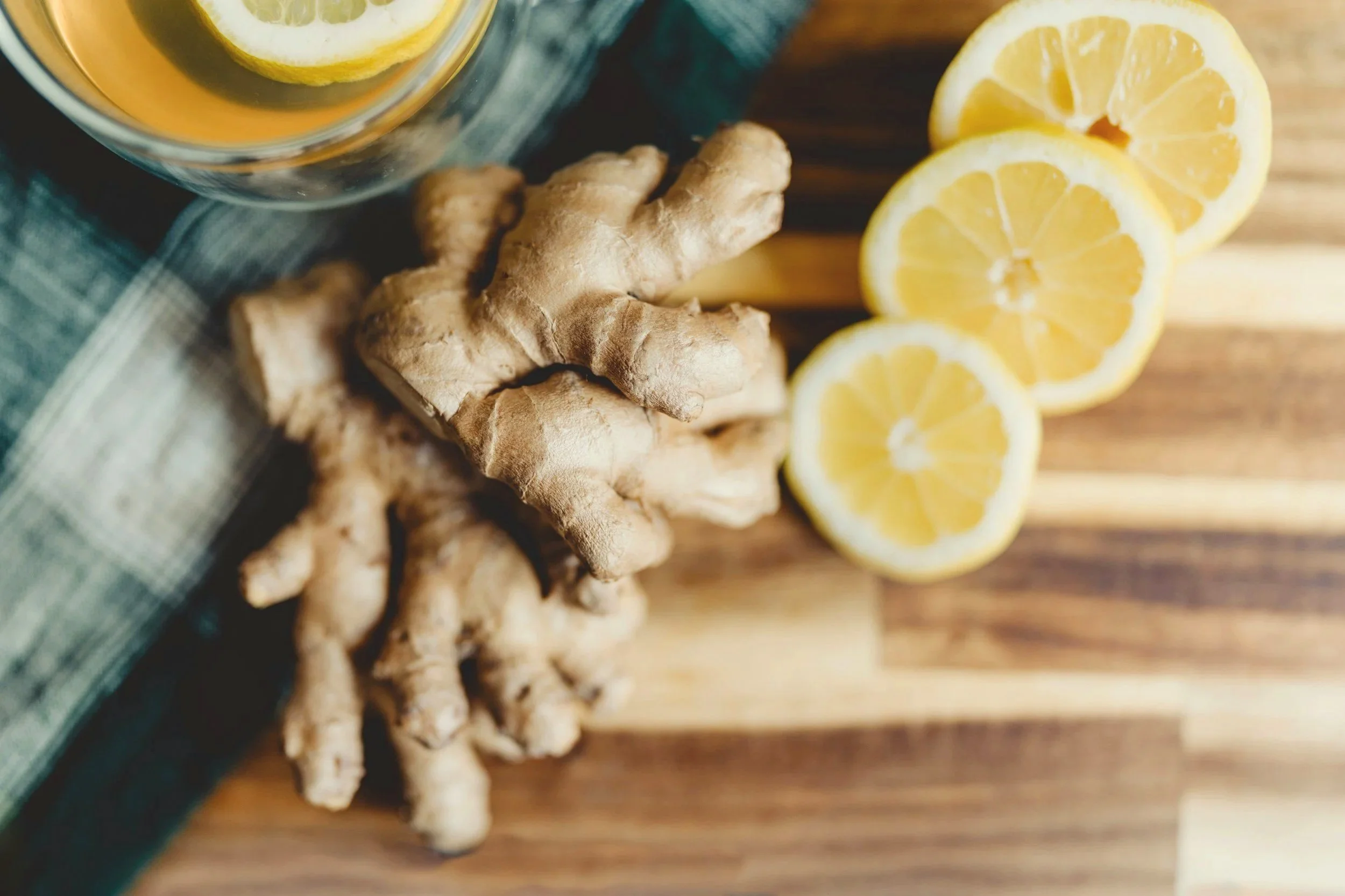
Ginger tea infusion
Ginger Infusion - simple & soothing
Bring 2 cups of filtered water to a boil in a saucepan. While the water is heating up, remove the peel from a thumb-sized piece of ginger root and grate.
Once the water has boiled, add the grated ginger, reduce the heat and let simmer for 10-15 minutes. Remove from the heat and let the infusion steep for 5 minutes.
Pour the infusion through a fine-mesh strainer into mugs. Add lemon slices or fresh mint leaves for added flavour if desired.
Diarrhoea
Hydration: It’s crucial that you replace fluids and electrolytes, to help your body regulate vital functions. Drink at least 8 large glasses of water daily (or 1.5-2L), and herbal tea also counts towards your daily hydration needs.
Electrolytes: During active diarrhoea, sip on coconut water, bone or chicken broths, and low-sugar electrolyte powders mixed in water, and snack on salted crackers. As symptoms subside, gradually reintroduce electrolyte-rich foods, including bananas, sweet potatoes and smooth, blended veggie soups.
Probiotic supplementation: Some probiotic strains help with diarrhoea, but the evidence base is not specific to GLP-1 populations. Please speak with a nutritional therapist or other health professional who can assess your needs and recommend specific strains/dosages.
If your diarrhoea is severe and lasts more than a few days, please contact your prescribing doctor.
Always check with your prescribing doctor or pharmacist before starting a new supplement. Natural compounds can interact with existing medications and conditions, sometimes causing significant impact.
When to check in with your prescriber
It’s normal to have some physical discomfort and gut symptoms while your body adjusts to the drug or increased dose. In many cases, these symptoms can be managed with a variety of dietary and lifestyle interventions, as outlined above.
However, some symptoms are not normal, and warrant a call to urgent care or your prescribing doctor:
Seek emergency-level care if you experience:
Constant, severe abdominal pain, especially radiating to the back
Sharp right-sided pain below the ribs
Persistent vomiting or diarrhoea
Call your prescriber if you experience:
Vomiting or nausea that doesn’t improve with reduced dose or dietary/lifestyle adjustments
New or worsening pain, especially if it’s different from your normal experience when adjusting to dose changes
Pale, floating or greasy stools
Severe or persistent reflux
Medication dosage:
Symptoms often reoccur or intensify temporarily with dose increases, and this is considered normal for the drug.
When adjusting to a new dose, if your symptoms are severe enough to interfere with normal eating/drinking, please speak with your prescriber. They may modify your dose pacing to reduce symptom intensity.
Any dosage adjustments should only be done with the support and supervision of your prescribing doctor or pharmacist.
It’s common to experience changes to your digestion and gut function when you start a GLP-1 medication, or increase your dose. This is largely normal, and not a sign that something is wrong.
Most digestive symptoms – such as constipation, nausea and bloating – can be managed with dietary and lifestyle adjustments. The key is implementing a few small changes and doing them consistently. When it comes to diet and lifestyle, consistency is everything.
However, for symptoms that worsen or don’t resolve, or to discuss dose changes, it’s important to remain connected with your prescriber.
If you’re interested in how nutritional therapy can support you in your GLP-1 journey, with personalised support and a plan tailored to your needs, please book a call.
If you’d like to learn how nutritional therapy can help address your own health concerns and goals, let’s talk.
Nutritional Therapists don’t diagnose, treat, or prescribe or de-prescribe medication. We often work in collaboration with a GP/NP or healthcare team, particularly with clients managing an existing diagnosis.